Real Estate
It’s Frozen Pipe Season: Is Your Home Protected?
By Evelyn Torres
Advertisement · Why this ad?
Mark Thompson has spent over a decade highlighting community stories across Chicago. He graduated from Northwestern University and has contributed to various local outlets, including Chicago Reader, focusing on grassroots initiatives and neighborhood developments.
More from Mark →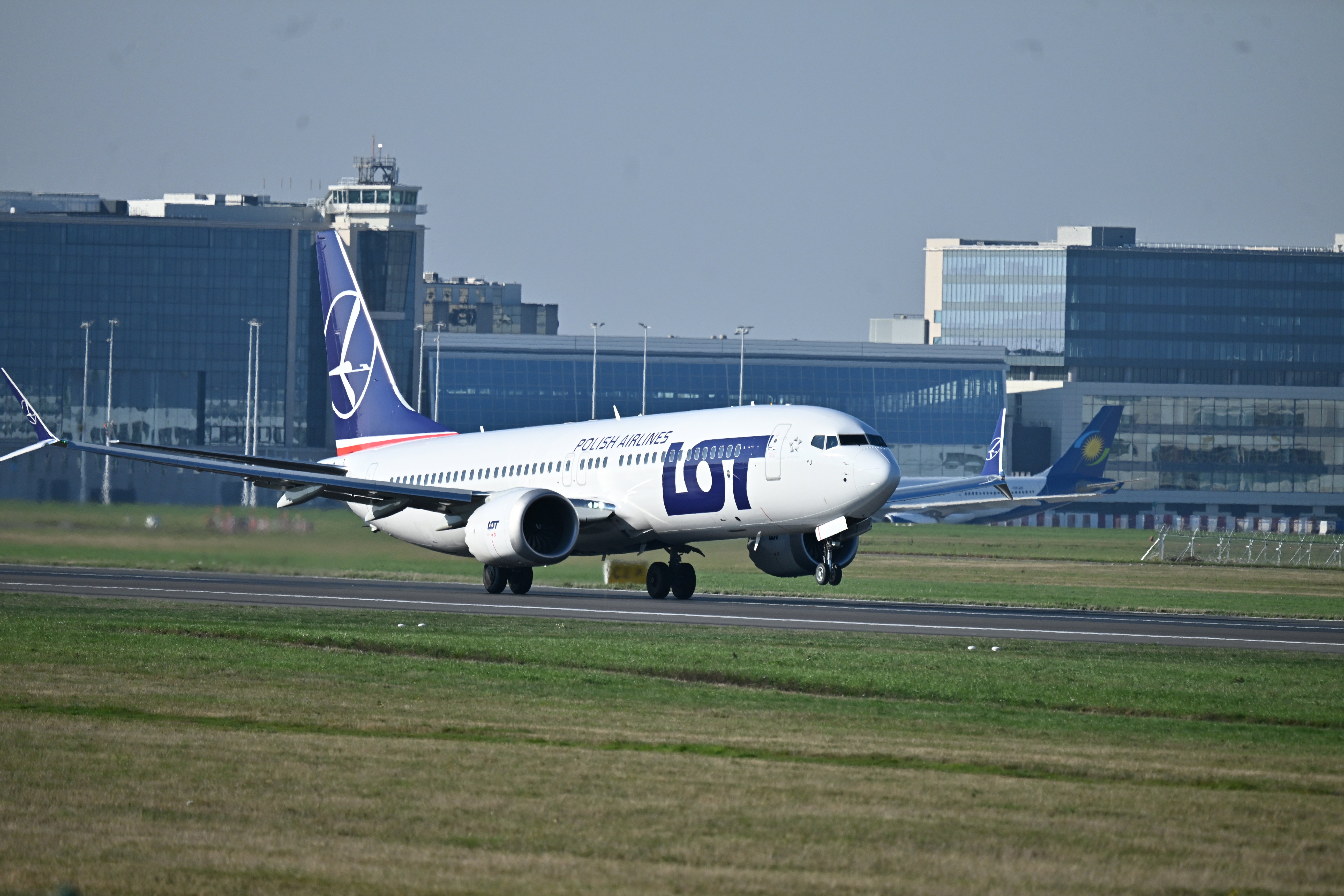
On Thursday, a series of emergency landings and diversions occurred across Europe as multiple flights were targeted with bomb threats, causing widespread disruption. More than a dozen flights from cities including Copenhagen, Dublin, Helsinki, Madrid, Milan, and Warsaw were confirmed to have been affected. The incidents followed recent hoax bomb threats that prompted searches and diversions. So far, inspections have not turned up any hazardous or suspicious materials.
These events, while thankfully resulting in no injuries, underscore a growing sense of unease across Europe. The incidents aren't isolated; they arrive against a backdrop of escalating geopolitical tensions, including the ongoing conflict in Ukraine and its ripple effects. The continent is grappling with a complex landscape of security challenges, ranging from cyberattacks and disinformation campaigns to physical threats. The recent attacks on supermarket refrigeration systems, the increasing frequency of drone incursions into restricted airspace, and even the mysterious triggers activating alert apps on personal devices all contribute to a feeling of vulnerability. Authorities have repeatedly warned about the rise of “hybrid threats”—attacks that combine elements of conventional warfare with cyber warfare and disinformation—making them difficult to predict and counter. This latest series of bomb threats fits squarely within that worrying trend.
The latest round of threats came at a time of heightened geopolitical tensions and other disruptions, including attacks on supermarket refrigeration systems, drone incursions, and mysterious triggers to alert apps. Authorities have warned that hybrid threats are a growing concern. Czech police said searches of four planes that landed in Prague were clear, while a flight from Dublin to Rome was diverted to a military air base in western France for safety.
The initial reports began circulating mid-morning, quickly spreading across news channels and social media. The scale of the disruption was significant, impacting airlines and airports across several countries. The swift response from authorities, including fighter jet escorts and bomb disposal teams, demonstrated the seriousness with which these threats are being treated. While the lack of explosives found on the planes is reassuring, it also highlights the potential for these threats to be used as a tool for disruption and intimidation.
A LOT Polish Airlines flight from Warsaw to Brussels landed safely at its destination, where inspections found no hazardous or suspicious items. A Wizz Air flight from Milan to Bucharest also landed safely after a bomb threat, according to airport spokesman Teo Postelnicu. A Finnair flight from Helsinki to Rome landed safely at Rome’s Leonardo da Vinci airport, escorted by Italian air force fighter jets. The official said security clearance procedures by police bomb disposal experts were completed with no explosives found.
The decision to divert flights, particularly the Finnair flight escorted by fighter jets, was a precautionary measure designed to ensure passenger safety. The use of fighter jet escorts is relatively rare and signals the level of concern among authorities. The fact that these threats are being communicated via email adds another layer of complexity, suggesting a degree of sophistication and potentially making it more difficult to trace the origin of the threats.
A flight to Warsaw that landed in Vienna following a mail to Polish authorities containing an abstract threat continued to Warsaw without issue. One runway at Warsaw’s Chopin Airport was temporarily closed while authorities carried out standard security procedures. Three Ryanair flights bound for Sofia, Bulgaria, had to make emergency landings due to bomb threats on board. Two of the flights, one from Copenhagen and the other from Madrid, landed safely at Sofia’s Vasil Levski Airport. The third flight, from London’s Stansted Airport to Sofia, had been diverted and landed safely at Plovdiv Airport.
The current situation isn't entirely unprecedented. Several flights across Europe received hoax bomb threats earlier this week that prompted searches, diversions and, in one case, an escort by the Italian air force until landing, officials said. The flights included Polish airline LOT, Scandinavian Airlines, Wizz Air and Ryanair. The hoax threats came after a plane headed for Bulgaria was diverted to Hungary after receiving a similar bomb threat while in the air. No one was injured.
These previous incidents suggest a pattern of coordinated attacks aimed at disrupting air travel and creating fear. While the perpetrators remain at large, authorities are likely analyzing the similarities between these threats to identify potential connections and patterns. The fact that multiple airlines have been targeted suggests a broad scope of operation, potentially involving individuals or groups with international reach. The psychological impact of these hoaxes on passengers and airline staff shouldn’t be underestimated, leading to anxiety and potential long-term trauma.
The community's reaction to these incidents has been one of concern and solidarity. Families are reminded to stay calm and follow the guidance of local authorities. The Chicago-area Chamber of Commerce issued a statement urging businesses to remain vigilant and work with local law enforcement to ensure the safety of their employees and customers.
While these events unfolded in Europe, they resonate with concerns about safety and security here in Chicago. Local law enforcement agencies have emphasized the importance of reporting any suspicious activity to authorities immediately. They have also warned that hybrid threats, which combine cyber and physical attacks, are becoming more prevalent. The city's emergency services department has been closely monitoring the situation and coordinating with international partners to provide support.
The Chicago Police Department has reiterated its commitment to maintaining public safety and has increased patrols at major transportation hubs, including O'Hare and Midway airports. They are also working closely with the FBI and other federal agencies to share information and coordinate efforts to prevent similar incidents from occurring here. Community outreach programs are being reinforced to educate residents about recognizing and reporting suspicious behavior.
The next steps will involve a thorough investigation into the origins of these threats. Authorities are working with international partners to identify any potential suspects and prevent further incidents. The city's transportation department has issued a statement urging travelers to remain patient and understanding during this challenging time.
The investigation will likely involve tracing the email addresses used to send the threats, analyzing the content of the messages for clues, and collaborating with intelligence agencies to identify potential suspects. Interpol and Europol are expected to play a key role in coordinating the international effort. Cybersecurity experts are also being brought in to assess the vulnerabilities of airport systems and prevent future attacks.
The recent series of bomb threats in Europe highlights the ongoing challenges faced by our communities in the face of hybrid threats. These incidents not only cause significant disruption but also raise concerns about the safety and security of our families and neighbors. It is crucial that we remain vigilant and work together to address these threats. Residents can stay informed by following local news sources and participating in community safety initiatives. By supporting each other and our local law enforcement, we can ensure a safer environment for everyone.
The events in Europe serve as a stark reminder that no community is immune to the threat of terrorism and malicious acts. While the immediate danger may have passed, the underlying issues – geopolitical instability, the rise of extremist ideologies, and the increasing sophistication of cyberattacks – remain. Continued investment in security infrastructure, intelligence gathering, and international cooperation is essential to mitigate these risks and protect our communities.